Journal · By Anas · Updated August 21, 2026 · 5 min read
How to Make a Home Decor Mood Board (Step by Step)
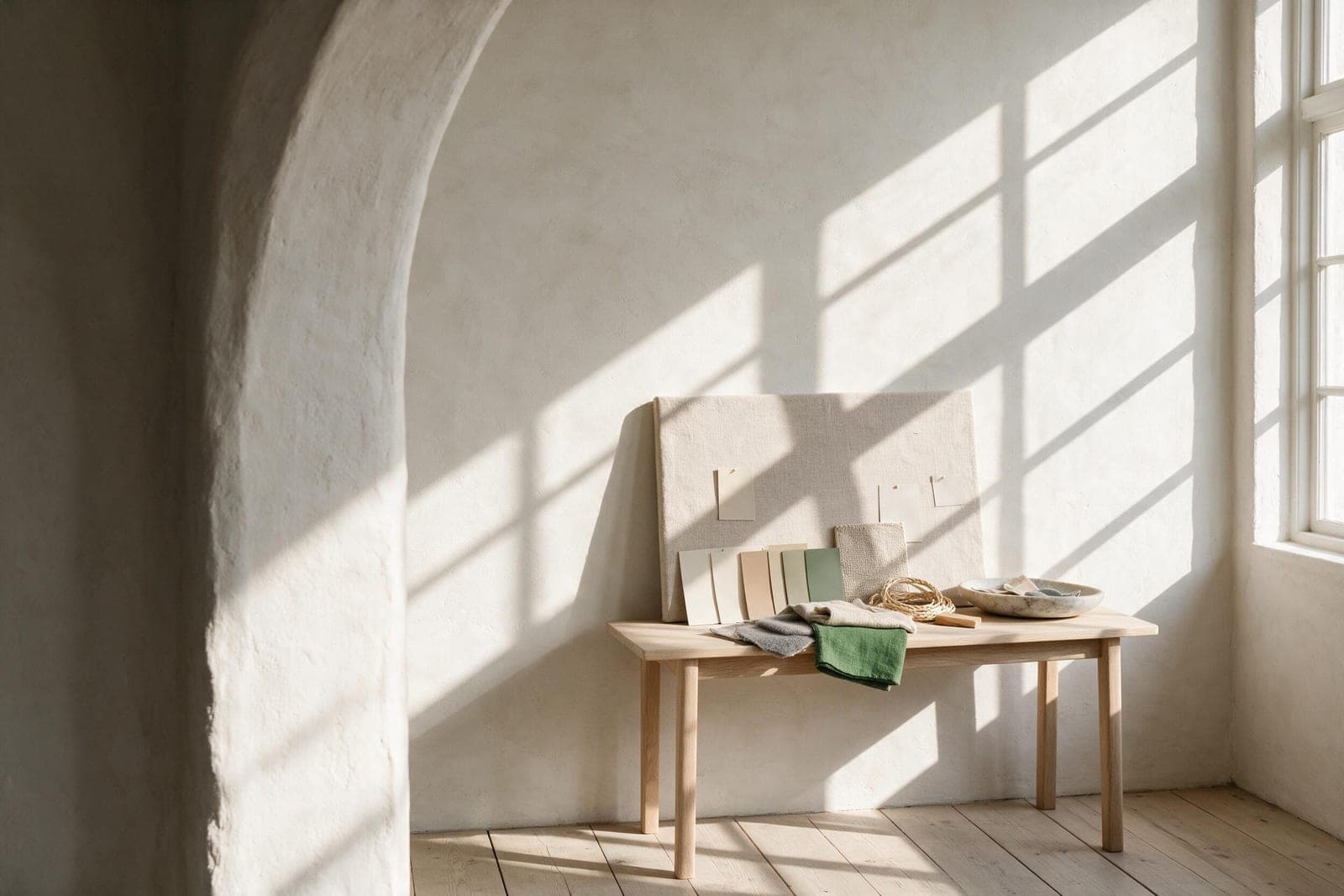
A mood board is the bridge between 'I want my room to feel different' and actually changing it. Skip it, and you end up buying pretty things that don't talk to each other. Build one well, and every decision afterwards gets easier — because you finally know what you're aiming for. Here's how to make one that guides your room instead of just looking nice on a screen.
Start with a feeling, not a style name
Most people begin by naming a style — 'I think I want modern farmhouse' — and then force everything to fit a label they might have chosen wrong. Start the other way round. Decide how you want the room to feel: calm, cozy, bright, elegant. Then collect images that give you that feeling. The style name reveals itself once you see what you keep reaching for.
Gather your inspiration in one place
The easiest tool for this is Pinterest — it's built for exactly this job. Make a board, search plain-language terms like 'cozy living room' or 'warm neutral bedroom', and pin anything that makes you exhale. Don't overthink it; save 20 to 30 images fast, on instinct. You're collecting a feeling, not making decisions yet.
Look for the pattern — that's your style
Now spread your saved images out and look for what repeats. Warm woods keep showing up. Soft neutrals. Lots of plants. Low, simple furniture. That recurring thread IS your style, even if you can't put a name to it — and if you'd like the name anyway, finding your decor style matches that thread to the vocabulary designers use. From here on you have a filter: does this piece fit the thread, or not? That single question saves you from most decorating mistakes.
Want a shortcut to naming your style? Answer seven quick questions and we'll tell you yours.
Take the free Room Style Quiz →Narrow it to a palette and a few materials
- ·A 3–4 color palette pulled straight from your favorite pins
- ·Two or three materials that keep appearing — oak, linen, rattan, brass
- ·One or two 'hero' pieces you love and want to build the room around
- ·A lighting mood: bright and airy, or warm and low
Turn the board into a plan
A mood board only helps if it becomes actions. Pick the three to five changes that would move your real room closest to the board — a bigger rug, warmer bulbs, clear surfaces, one good plant — and do those before buying anything big. Small, aligned changes beat one expensive guess. For the full sequence from mood board to finished room, how to redecorate a room picks up where this step ends.
Want to fill your board fast? We pin new cozy, small-space and rental-friendly room ideas every single day.
Follow RoomCalm on Pinterest →Skip the guesswork — see it on your actual room
A mood board shows you the direction; RoomCalm shows you the destination. Upload a photo of your room, tell us the feeling you're after, and we'll restyle your actual space in that direction — then tell you exactly which change to make first.
Free, no sign-up. Your real room and your own things, moved toward the board you just built.
See my room in this direction →Quick answers
How many images should a mood board have?
Fewer than you think — around 10 to 15 once you have edited it. A board of 60 pins is a record of everything you liked, which is a different and much less useful object than a board that tells you what to buy. The edit is the part that does the work: if two images pull in different directions, one of them has to go, and deciding which is exactly the decision you are trying to make.
Why does my mood board look good but my room still doesn't?
Almost always because the board has no constraints from your actual room in it. Pinned photos come from spaces with different light, ceiling heights, floor colours and window sizes than yours. A board becomes useful the moment you add the fixed things you cannot change — your floor, your largest furniture, the direction your window faces — and remove anything that fights them.
What should go on a mood board besides pictures of rooms?
The concrete stuff you will actually be buying or matching: a three-to-four colour palette, two or three recurring materials, one or two hero pieces, and a lighting mood. Whole-room photos are the easiest thing to collect and the least directly useful, because you cannot buy a room. You can buy an oak side table in a matte finish.
Do I need an app to make a mood board?
No. Pinterest works, a shared album on your phone works, and so does a physical pile of paint chips and fabric samples on a table — the physical version has one real advantage, which is that you see the colours in your own room's light rather than on a backlit screen. The format matters far less than whether you edit it down.